


EVENT:2023 BIG 5 DUBAI
2023-11-13


Is your bathroom floor always cluttered? Do you dream of a sleek, spacious washroom? A wall-hung basin might be your perfect solution. It frees up floor space and creates a modern look.
Snippet paragraph: A wall-hung basin is a sink mounted directly to the wall, with no pedestal or cabinet below. It saves space, makes cleaning easier, and offers a contemporary aesthetic. It is right for you if you value a minimalist, easy-to-clean bathroom.
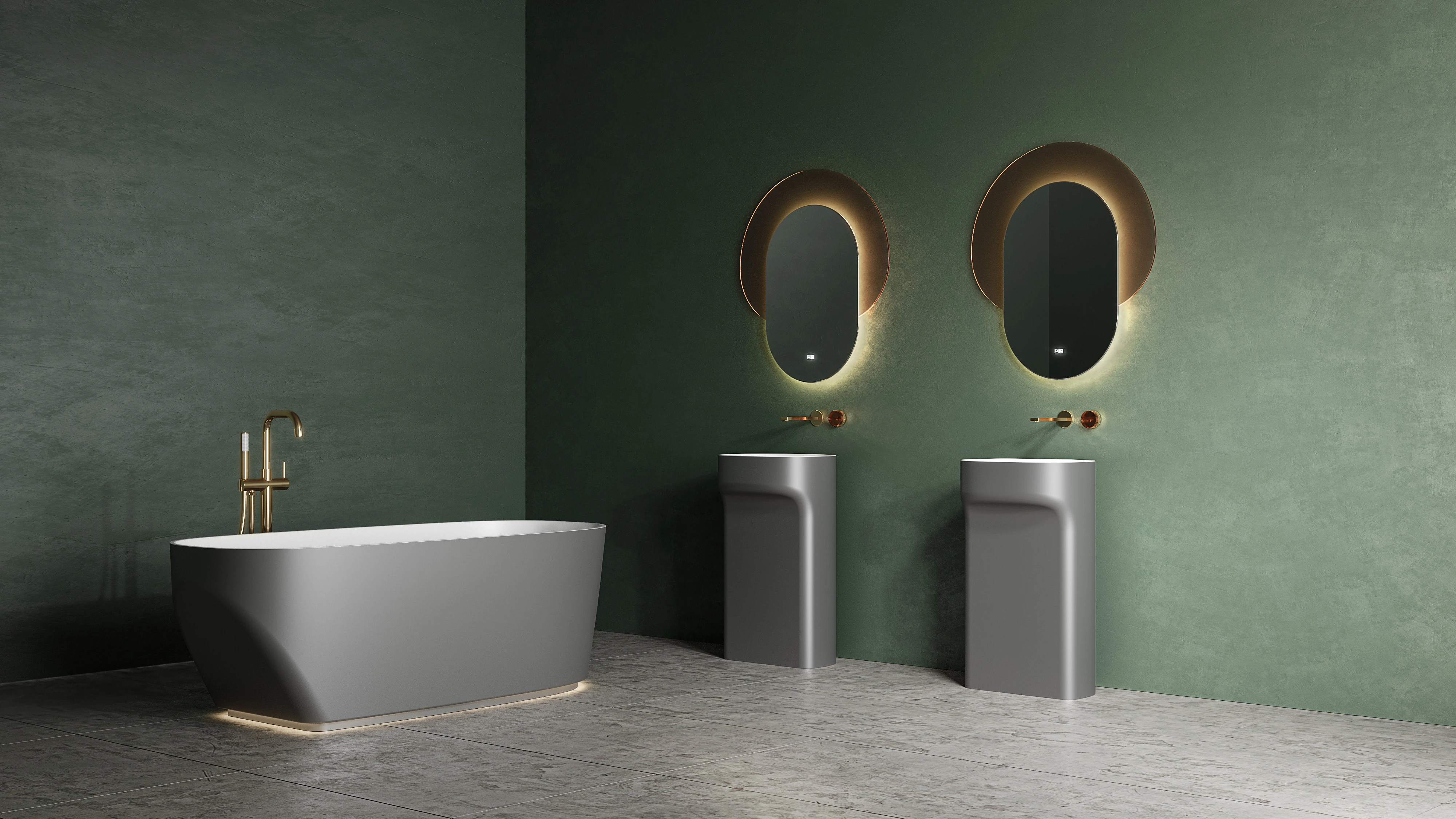
Now, let's explore this elegant fixture in detail. We will look at what it truly is, how to choose materials and sizes, and how to care for it. This knowledge will help you make the best decision for your home.
Choosing a new basin can be overwhelming. You want style and function. A wall-hung design solves the problem of bulky furniture, giving you a clean and open feel.
A wall-hung basin is mounted to the wall with hidden brackets. It is right for you if you prioritize easy floor cleaning, desire a modern or minimalist style, and have suitable wall structure to support it.
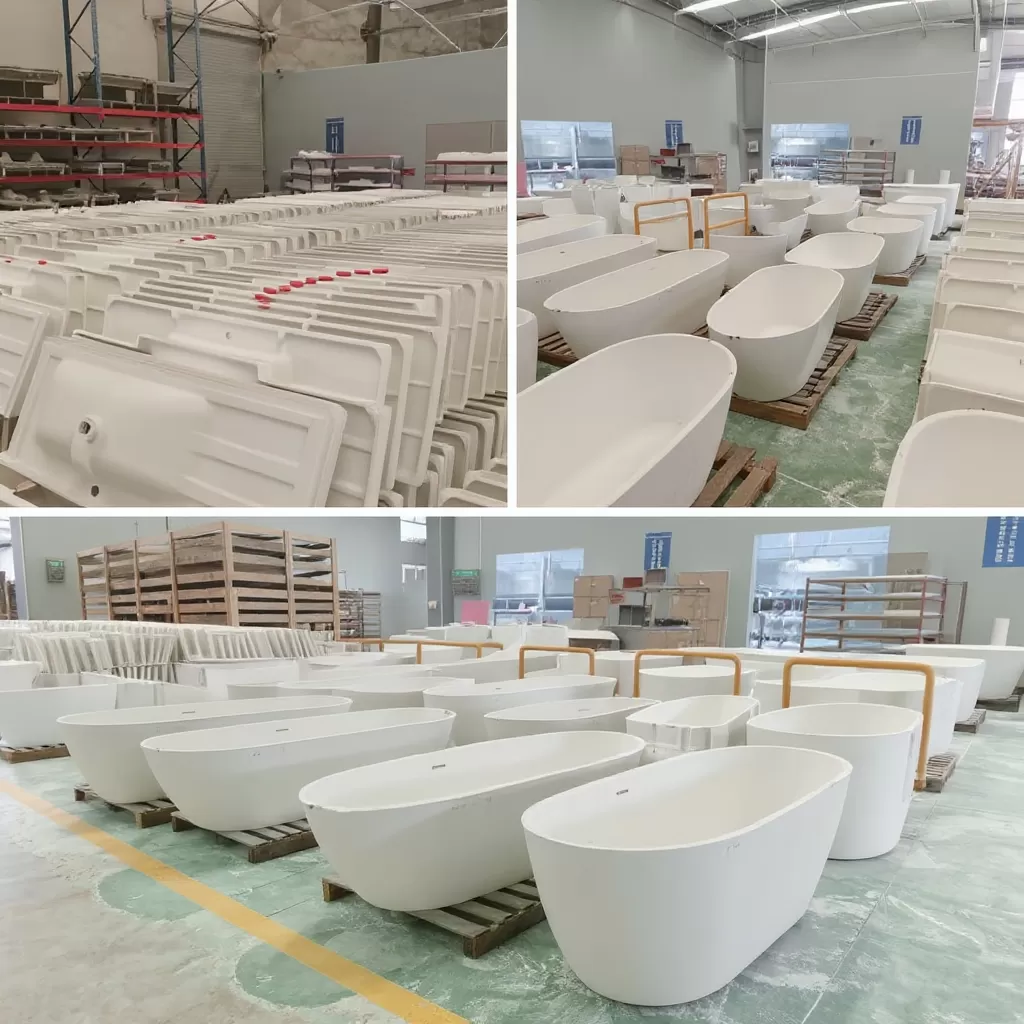
As a designer with 25 years of experience, I have seen how wall-hung basins transform spaces. In a recent project for a Vienna boutique hotel, we used these basins to create an illusion of more space in compact ensuite bathrooms. Let's break down the key aspects.
Understanding the Structure The basin is secured to the wall with strong, hidden mounting frames. This requires a sturdy wall, often reinforced. All plumbing is concealed within the wall, which needs careful planning during installation.
Advantages and Considerations The benefits are clear. You gain valuable floor space, which makes the room look larger and simplifies cleaning. There are no legs or cabinets to work around. However, you must consider installation. The wall must be strong enough. Also, because there is no storage below, you need to plan for vanities or shelves elsewhere.
Here is a simple comparison to help you decide:
| Feature | Wall-Hung Basin | Traditional Pedestal Basin |
|---|---|---|
| Floor Space | Maximized, clear floor | Occupied by pedestal |
| Cleaning Ease | Very easy, mop underneath | Difficult around base |
| Storage | No built-in storage below | No storage, but pedestal hides pipes |
| Installation | Requires strong wall and concealed plumbing | Simpler, pipes are visible |
| Style Impact | Modern, minimalist, floating | Classic, grounded look |
For TENNE, our design philosophy always balances art and function. A wall-hung basin is not just a sink; it is a statement of clean design. It interprets life through art by eliminating clutter. It defines the future through design by embracing simplicity. If your wall can support it and you love a sleek look, it is absolutely right for you.
You've decided on a wall-hung basin. Now, the wrong material or size can ruin the look. Choosing wisely ensures durability and perfect proportion for your space.
Consider materials like ceramic, glass, natural stone, or engineered composites. Sizes range from compact 400mm widths to large 800mm+ bowls. Your choice depends on bathroom size, usage frequency, and desired style.
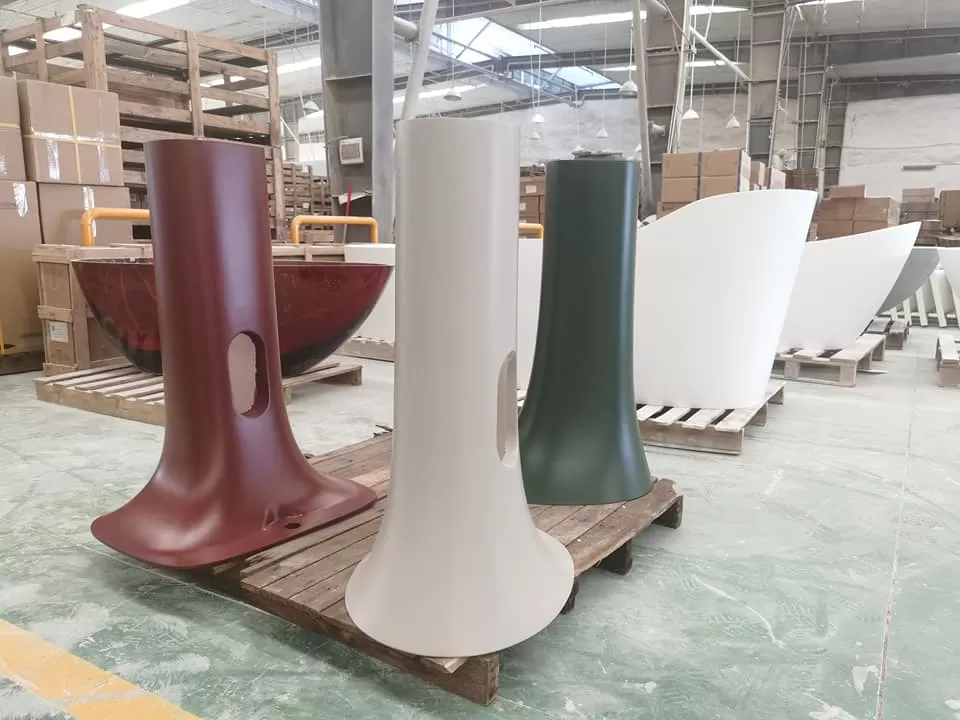
Material and size are crucial for both aesthetics and longevity. In my work, I specify materials based on the project's character. For a luxury villa in the Alps, we used local granite for a rustic yet modern feel. Let's dive deeper.
Material Choices Each material has its own personality and care needs.
Ceramic or Porcelain: This is the most common. It is durable, non-porous, and easy to clean. TENNE uses high-fired ceramics for exceptional strength and gloss.
Glass (Tempered): It offers a stunning, contemporary look. It is resistant to stains but can show water spots. It requires regular wiping to maintain its sparkle.
Natural Stone (e.g., Marble, Granite): It provides unique, luxurious veining. However, it is porous and needs sealing to prevent stains. It adds a tactile, high-end feel.
Engineered Stone or Solid Surface: Materials like TENNE's nano stone are non-porous, highly durable, and allow for seamless integration. They are low maintenance and come in many colors.
Sizing for Function and Space The size must match your bathroom's scale and your needs.
Small (400-500mm wide): Ideal for powder rooms or guest bathrooms. They save space but are best for handwashing.
Medium (550-650mm wide): The standard for most family bathrooms. They balance size and function well.
Large (700mm+ wide): Perfect for master bathrooms. They offer ample room but need a larger wall area.
Consider the basin's depth too. A deeper bowl minimizes splashing. Also, think about the projection from the wall. You need enough room to stand comfortably. Always measure your space carefully before deciding. TENNE's custom line allows for tailored dimensions, ensuring a perfect fit for any design vision.
Your beautiful new basin has lost its shine. Water stains and soap scum build up. Proper maintenance is simple but essential to preserve its like-new appearance for years.
Clean your basin regularly with soft cloths and pH-neutral cleaners. Avoid abrasive pads or harsh chemicals. For different materials, use specific care methods. Wipe dry after use to prevent water spots and limescale.
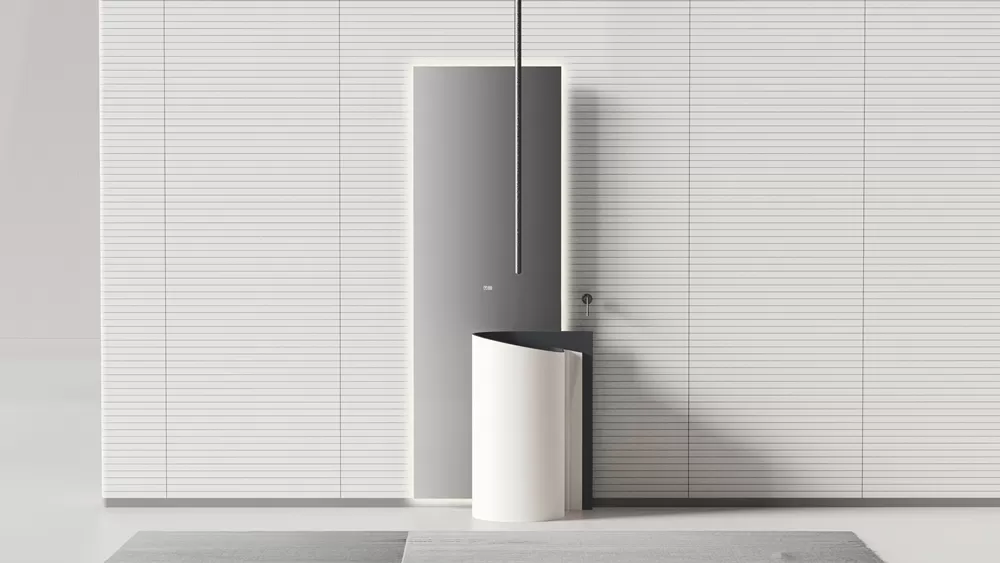
Maintenance is part of the product's life story. I advise hotel staff on care routines to ensure our designs remain impeccable. A well-maintained basin reflects the quality of its design. Let's break down the maintenance process.
Daily and Weekly Cleaning Routines The key is consistency. For daily care, simply rinse the basin after use and wipe it with a soft, dry microfiber cloth. This prevents water marks. Weekly, use a mild cleaner. A simple mix of warm water and a few drops of dish soap often works. Apply with a soft sponge, rinse thoroughly, and dry.
Addressing Common Issues Different materials face different challenges.
Preventive Measures and Long-Term Care Prevention is better than cure. Install a water softener if you have hard water. Avoid dropping heavy objects into the basin. For stone basins, reseal them as per the manufacturer's instructions, usually once a year.
Here is a quick reference table for common materials:
| Material | Recommended Cleaner | What to Avoid |
|---|---|---|
| Ceramic/Porcelain | Mild soapy water, pH-neutral sprays | Abrasive scrubbing pads, harsh acids |
| Tempered Glass | Glass cleaner, vinegar-water solution (diluted) | Abrasive powders, scouring pads |
| Natural Stone (Marble) | Stone-specific pH-neutral cleaner | Vinegar, lemon juice, all acidic cleaners |
| Engineered Composite | Soft cloth with water and mild detergent | Strong solvents, abrasive cleaners |
At TENNE, we design our basins to be beautiful and easy to care for. Our nano stone surfaces, for instance, are highly stain-resistant. But no material is maintenance-free. A little regular care keeps your investment looking new and extends its life dramatically. It's a simple ritual that honors the design.
A wall-hung basin offers sleek style, space savings, and easy cleaning. Choose the right material and size for your needs, and maintain it with simple, regular care. It can elevate your bathroom experience beautifully.


